
 Image 1 of 4
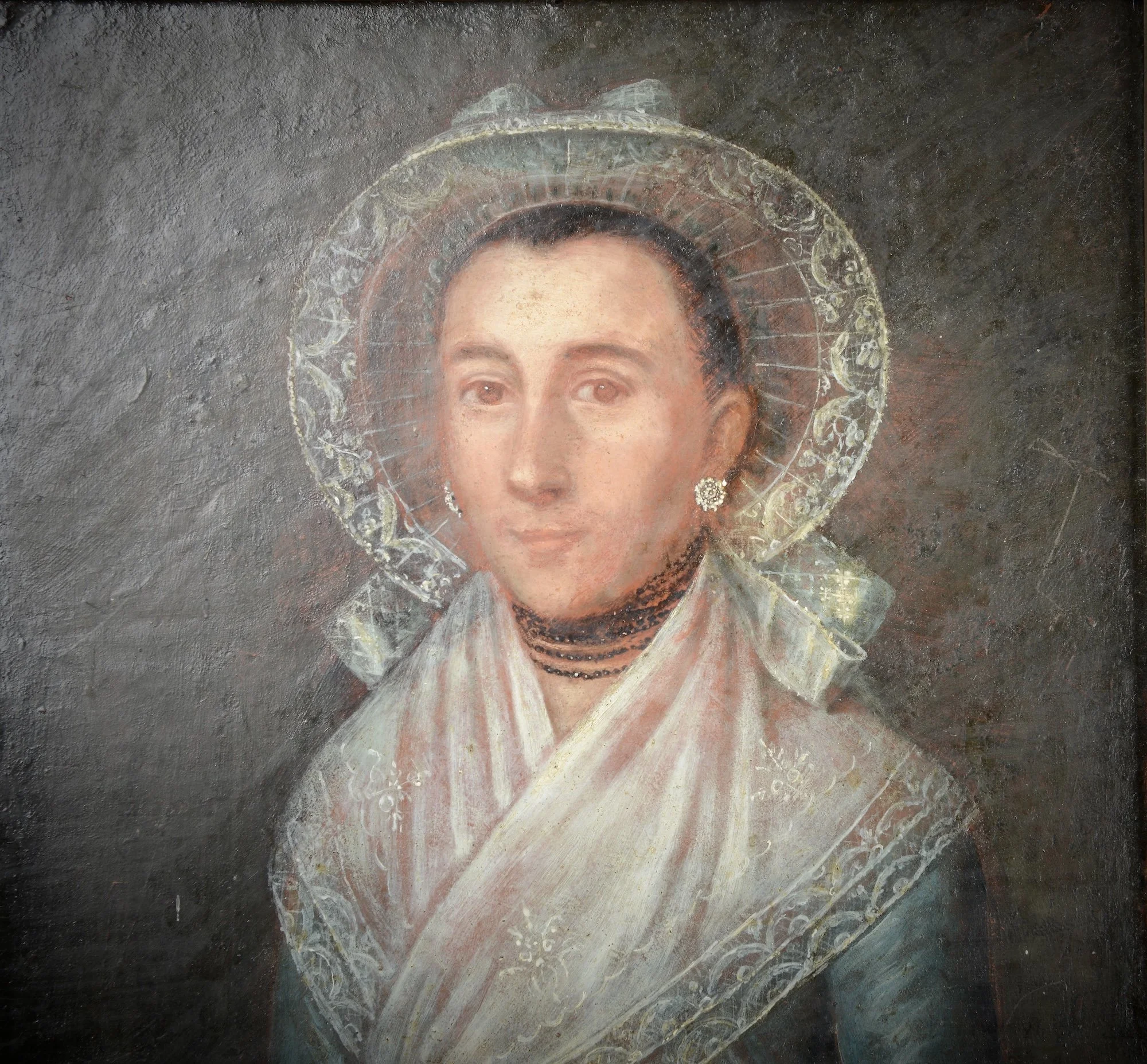 Image 2 of 4
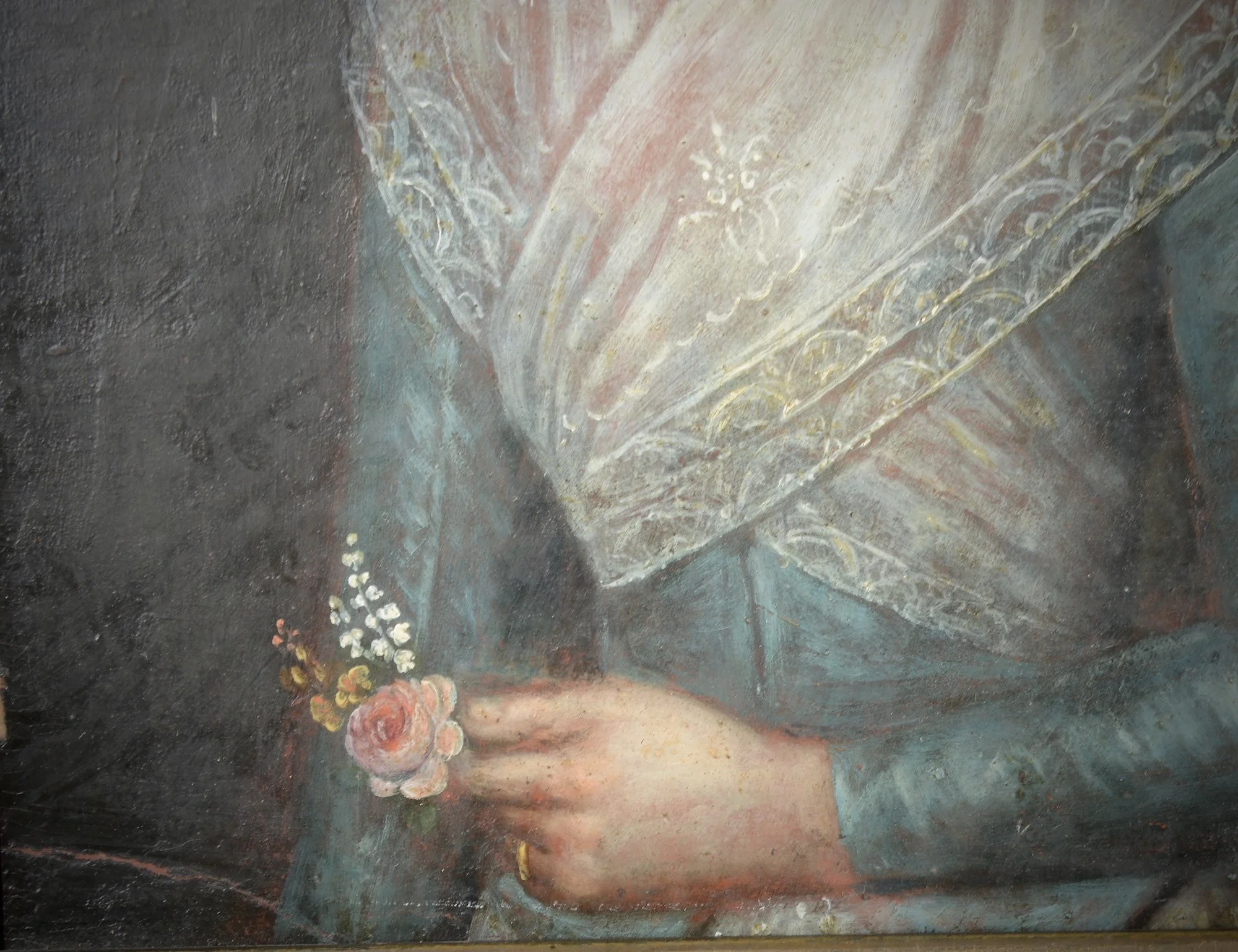 Image 3 of 4
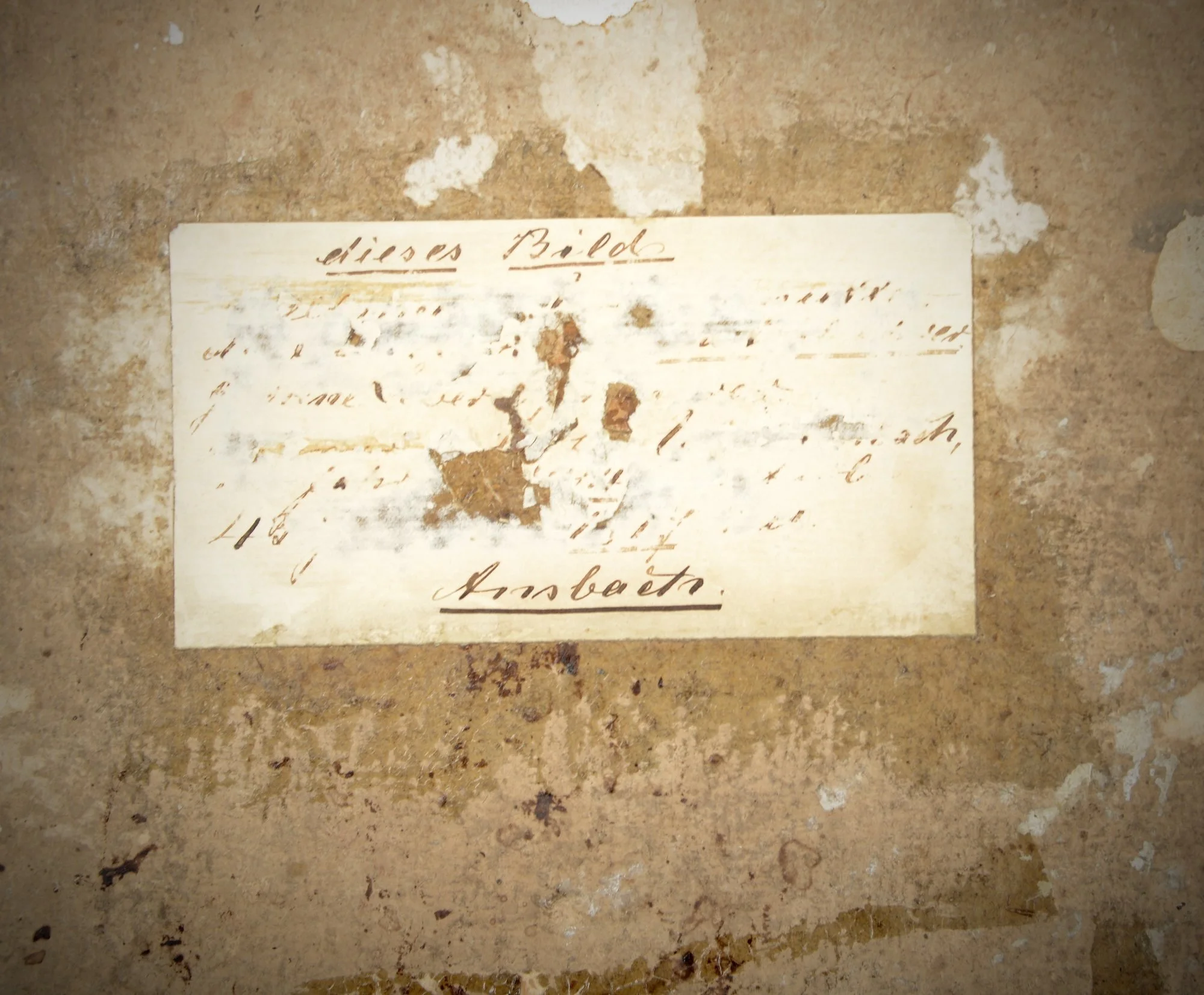 Image 4 of 4
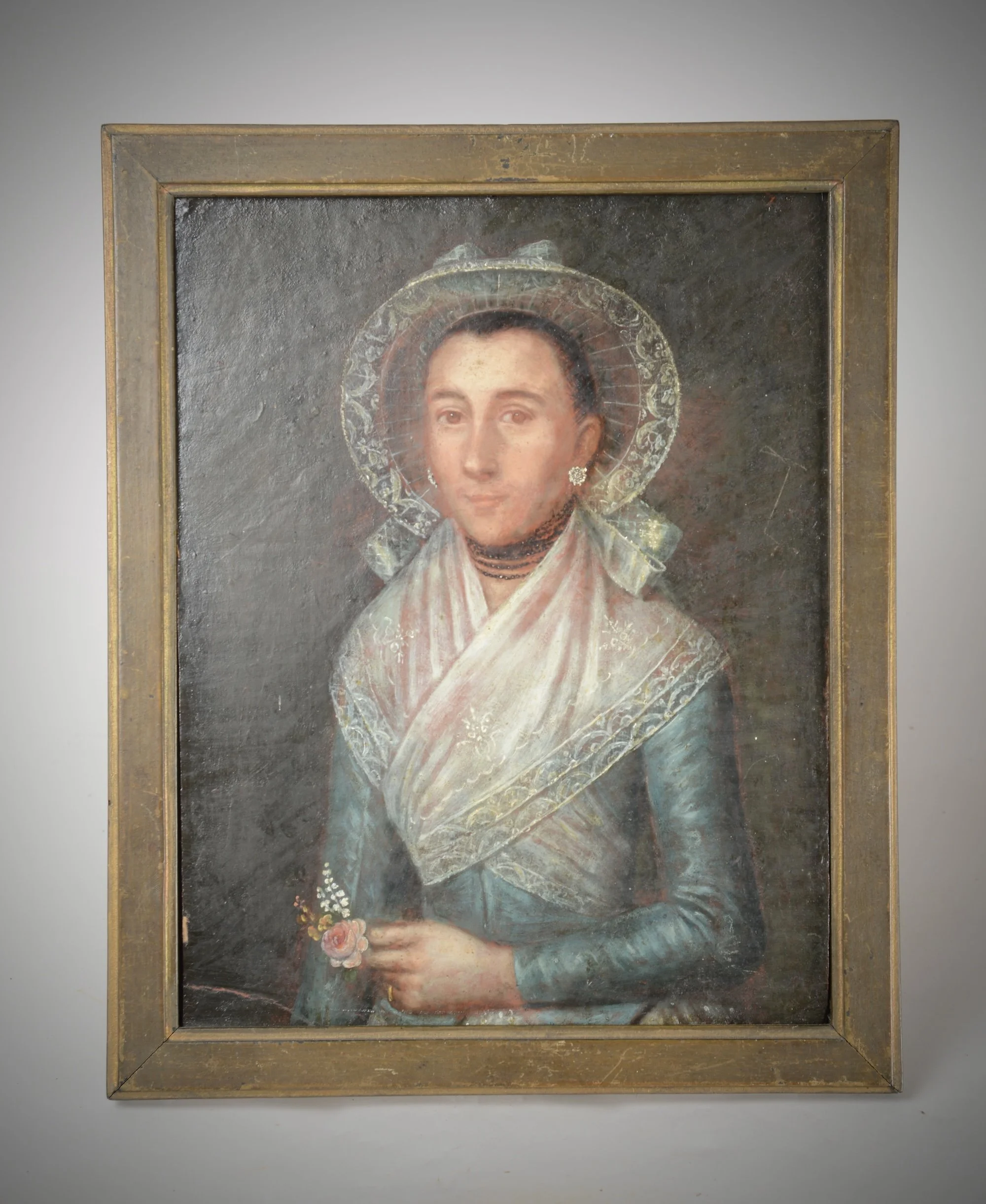
An incredibly rare early portrait of a transvestite gentleman. finely painted in oil on board. The sitter is depicted in fashionable and extravagant clothing of the period with a lace bonnet and shawl, the lacework id beautifully executed with great attention to detail, the outfit is completed by diamond earrings. The gold ring on the gentleman’s left little finger holds significance and the hand is purposely chosen to hold a posey. The cultural significance of this portrait cannot be overstated, though “Molly houses” were an established underground movement throughout Europe they were often discovered and raided, the inhabitants faced severe punishments if captured. What resonates from this painting is the bravery of both the sitter and the artist who would have faced ruin if this artwork were discovered, it is a reminder of the great risk that individuals suffered for their right to individuality and self expression.
The painting is in original order, I have decided not to have it cleaned or restored in any way, there is a small line of paint loss to the left corner and it sits in a simple gilt frame, there is a label to the back with some handwriting in German, the writing appears to have been purposefully obscured, the clothing would concur with a German origin. It is probable that the painting has spent most of it’s life hidden from sight, with this in mind I feel it prudent to leave it in it’s original condition.
German early 19th Century
Height 33cm ( 13”)
Width 26.5cm (10 1/2”)